Guided Nature & Forest Therapy
Green Space Nature Therapy offers guided nature and forest therapy walks that integrate sensory-based practice with research in nature and public health. Facilitated by ANFT-certified guides, these structured experiences provide space to slow down and reconnect with the more-than-human-world.
What Nature & Forest Therapy Is
As certified guides with the Association of Nature and Forest Therapy, we understand forest therapy as an invitation to slow down and simply be with the natural world.
ANFT’s philosophy is rooted in Shinrin-yoku, or forest bathing, which began in Japan in the 1980s as a public health initiative. While the practice has grown globally, its essence remains simple: slowing the body and deepening sensory awareness in relationship to the land.
Our role is not to instruct or lead in a traditional sense. Instead, we offer gentle invitations— an open door to connection and intentional presence.
Unlike hiking or outdoor exercise, forest therapy is not destination-oriented. There is no summit to reach. The focus is on noticing what is here, engaging the senses, and allowing the experience to unfold without pressure.
What the Research Shows
Research in environmental psychology and public health links guided time in nature to measurable physiological and psychological benefits, including:
Reduced stress and cortisol levels
Improved immune function
Lower blood pressure
Enhanced mood and focus
Guided sessions translate these effects into lived experience by offering structured space for attention, sensory engagement, and reflection.
Explore our Research page for a detailed review of the evidence.
What to Expect on a Walk
A typical guided nature and forest therapy walk lasts approximately 2.5–3 hours.
We begin by acknowledging the land and honoring its unique history. Participants are then offered a sequence of simple invitations. These may include:
Intentionally slowing the pace
Noticing the uniqueness of a tree, stone, or birdsong
Sitting quietly with the breeze
Engaging one sense at a time
Between invitations, we gather in a circle to share observations from the experience. Participation in sharing is always optional.
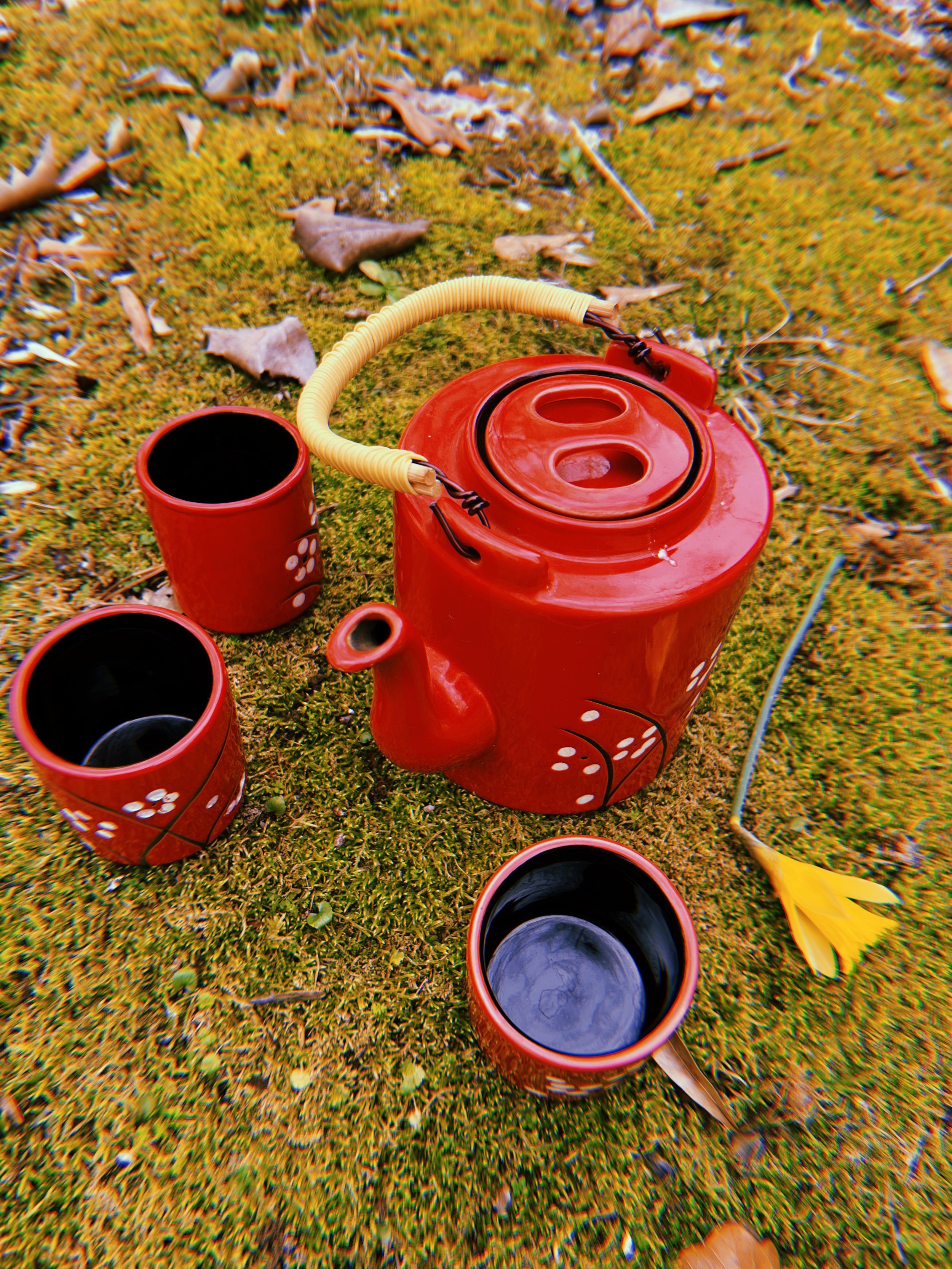
We close by gathering for tea, a gentle transition that allows for reflection before returning to daily life.
A Relational Practice
There is no right or wrong way to participate. Forest therapy is not a performance to perfect, but an experience that unfolds differently for each person. It is relational and alive.
Your mind may wander. You may feel restless or deeply settled. All of that belongs. What matters is the opportunity to be present and remember you are part of a larger living system.
“Forest therapy is not an extractive wellness process; it’s about establishing a reciprocal relationship with nature and helping people cultivate relationships with places where they live.” – Ben Page, A Beginner’s Guide to Forest Bathing
Forest therapy is best understood through lived experience.